A Practical Guide to Optimizing Building Automation for Modern Facility Management
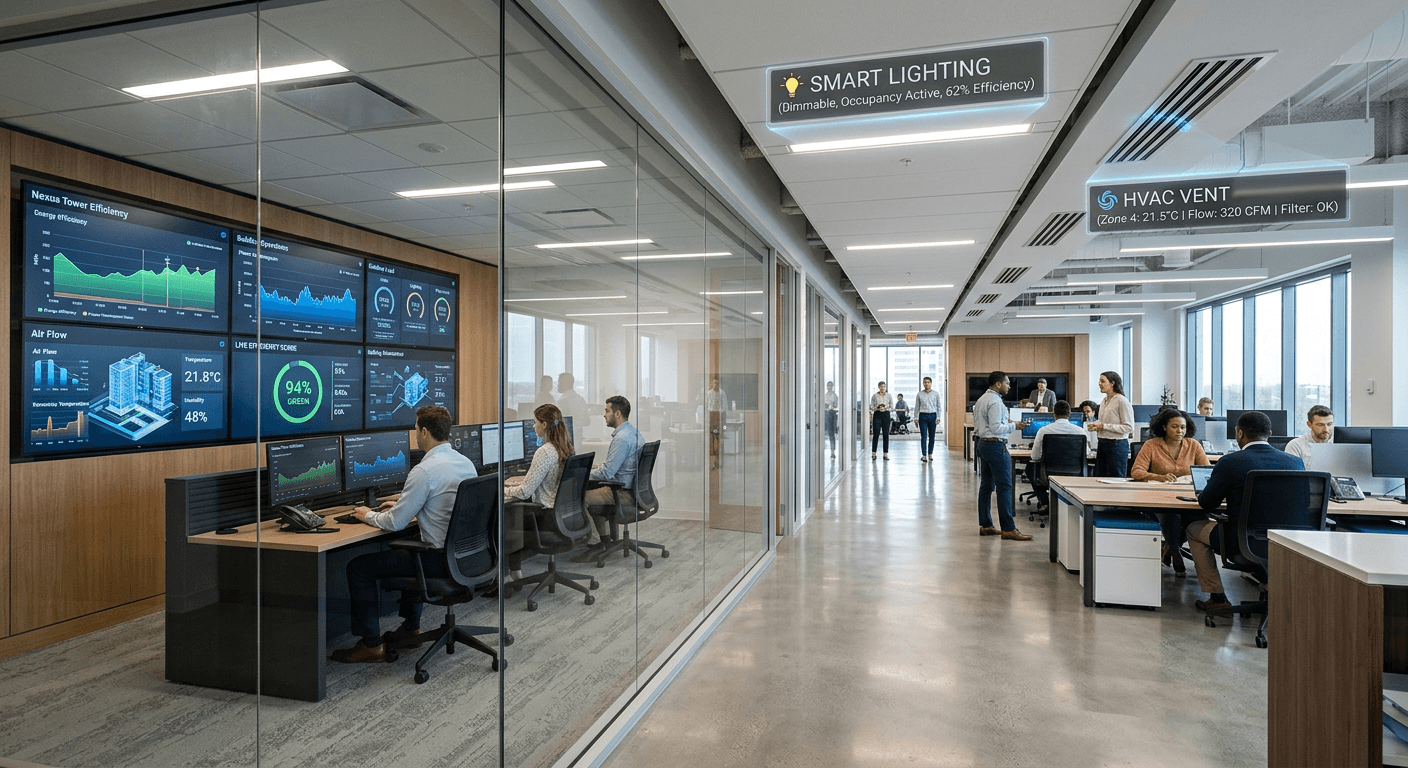
Modern facility management has shifted from reactive maintenance to proactive, data-driven orchestration. By integrating building automation systems, managers can significantly reduce operational overhead, extend the lifecycle of mechanical assets, and improve occupant comfort. This transition requires a structured approach to hardware deployment, data integration, and continuous system monitoring to ensure that disparate sub-systems function as a unified entity.

Quick Summary
Building automation utilizes interconnected sensors and controllers to optimize environmental conditions and energy consumption within a commercial facility. By leveraging a centralized building management system, managers can automate HVAC, lighting, and security, ultimately lowering costs and improving operational resilience through real-time data analysis.
- Improved energy efficiency through automated scheduling and load shedding.
- Enhanced occupant productivity via precise climate and light control.
- Proactive equipment maintenance alerts based on real-time performance data.
- Streamlined facility operations through centralized digital oversight.
Table of Contents
- Quick Summary
- Table of Contents
- Designing a Smart Building Infrastructure
- Integrating a Centralized Building Management System
- Implementing Google Internet of Things Connectivity
- Common Pitfalls & Troubleshooting
- FAQ
- Recommended Reads
Designing a Smart Building Infrastructure
Successful smart building implementation begins with the assessment of existing physical infrastructure. Before deploying sensors or automation controllers, facility managers must map out the specific requirements of the space. This involves identifying critical environmental variables such as occupancy levels, temperature requirements, and power consumption patterns. A robust design accounts for scalability, ensuring that as the facility grows, additional modules can be integrated without a complete architectural overhaul.
Once the scope is defined, the selection of hardware becomes paramount. Industry-standard communication protocols, such as BACnet or Modbus, are essential for ensuring that controllers, actuators, and sensors can communicate across a unified network. Prioritizing interoperable hardware prevents vendor lock-in and simplifies the integration process, allowing different generations of equipment to function as a cohesive whole under a single management umbrella.
Integrating a Centralized Building Management System
A building management system serves as the digital brain of a facility. It pulls raw data from field devices and processes it through programmed logic to execute automated tasks. To set this up effectively, start by mapping all hardware points - every sensor and actuator must be uniquely identified and assigned to a control loop. This enables the software to perform complex tasks, such as adjusting chilled water valve positions based on ambient external temperatures or occupancy-based light dimming.
Pro Tip: Establish granular user access levels within your building management system to ensure that only authorized personnel can modify critical environmental setpoints, while maintenance teams retain read-only access for diagnostics.
After initial configuration, focus on building logical sequences. For example, implement an energy-saving night mode that triggers automatically when the system detects zero occupancy. Regularly review the logs generated by these sequences to identify bottlenecks or inefficient cycles. By treating the system as a dynamic organism that requires periodic tuning rather than a "set-and-forget" utility, managers can capture significant long-term energy savings.
Implementing Google Internet of Things Connectivity
Leveraging Google Internet of Things capabilities allows facility managers to extend the reach of their local infrastructure to cloud-based analytics platforms. By utilizing IoT gateways, data from the building management system can be securely pushed to the cloud. This provides access to advanced machine learning models that can predict equipment failure before it occurs or optimize climate settings based on hyper-local weather forecasting.
To bridge the gap between local sensors and cloud platforms, ensure your network architecture utilizes robust MQTT or REST API endpoints. Data security must be a primary concern; always use encrypted communication channels for all IoT traffic. Once the data reaches the cloud environment, visualize it through dashboards that aggregate performance metrics. This allows stakeholders to make informed decisions regarding energy procurement, asset replacement, and overall facility usage patterns without requiring physical presence on site.
Common Pitfalls & Troubleshooting
The most frequent issue in building automation is network latency, which can cause erratic system behavior. If a controller fails to respond to a sensor signal, check the network throughput and verify that your communication protocols are correctly configured for your specific baud rates. Another common pitfall is 'alarm fatigue,' where the system is too sensitive and generates notifications for minor variances. Calibrate your thresholds to filter out transient spikes, ensuring that your team only receives alerts that require actual intervention.
Finally, ensure that all firmware and software patches are applied on a scheduled basis. Security vulnerabilities in IoT devices are often exploited when they are left outdated. A neglected system can become a liability; therefore, maintain a comprehensive audit log of all manual overrides and software changes. This documentation is crucial for troubleshooting systemic issues that may arise after large-scale updates to your automation logic.
FAQ
What is the primary difference between traditional facility management and building automation?
Traditional management relies on manual interventions and scheduled maintenance, whereas building automation uses real-time sensor data and logic controllers to adjust operations dynamically based on actual occupancy and environmental conditions.
Can I upgrade my older building to be 'smart' without replacing everything?
Yes, by using integration gateways and protocol converters, you can connect legacy hardware to modern smart systems. This allows for partial automation where full replacement is not financially viable.
How does a building management system impact energy consumption?
It optimizes the usage of lighting and HVAC systems by ensuring they operate only when necessary, preventing waste during unoccupied hours and preventing equipment from working harder than needed.
Is cloud-based IoT data secure for sensitive facilities?
When properly implemented with end-to-end encryption and secure authentication protocols, cloud-based data management provides a highly secure way to monitor and control facility functions remotely.