How to Automate Smart Building Systems for Modern Efficiency in 2026
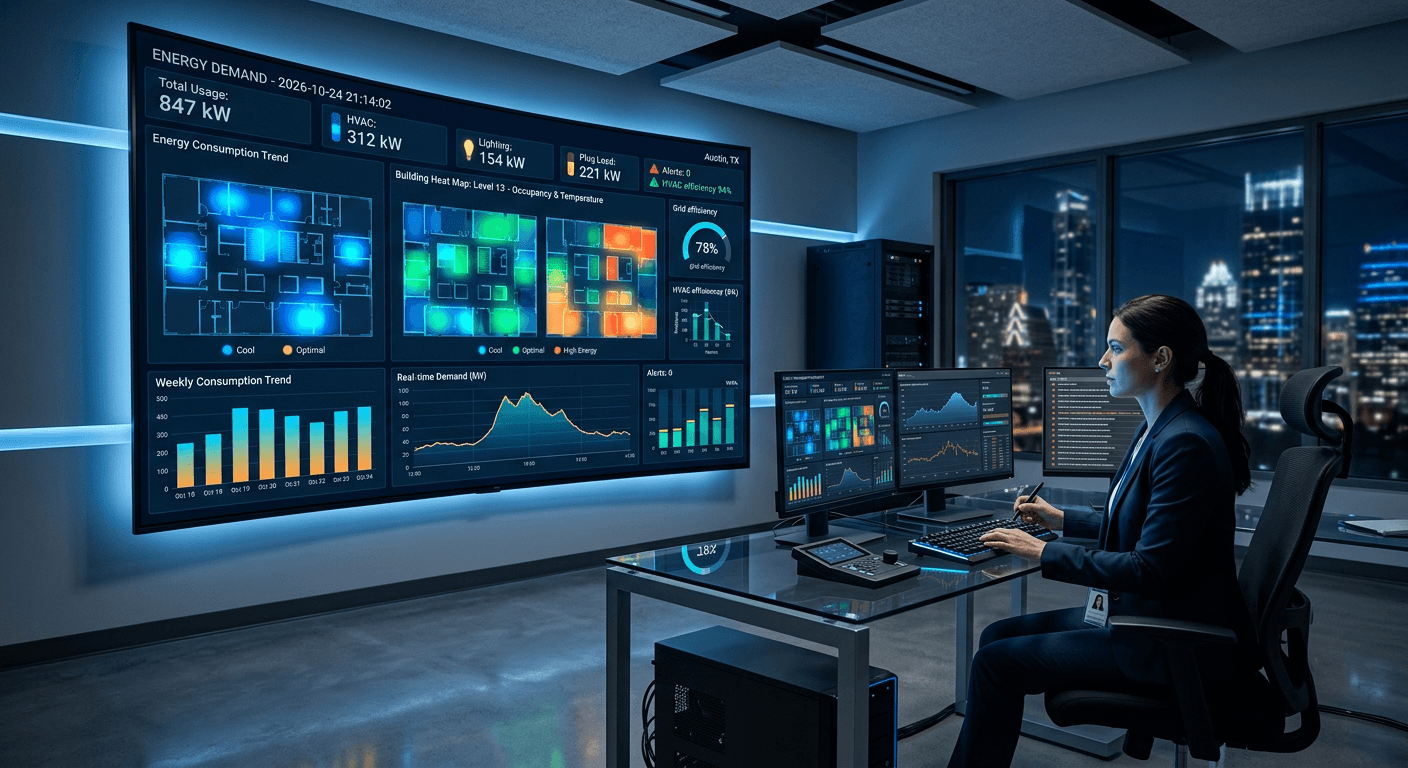
Optimizing modern infrastructure requires a sophisticated approach to building automation that transcends simple scheduling and basic sensor data. As we look toward 2026, the integration of advanced smart building technologies has become a baseline requirement for reducing operational overhead, improving energy efficiency, and enhancing occupant comfort. By leveraging data-driven decision-making, facility managers can transform static structures into responsive environments that adapt to real-time occupancy and environmental changes.
Quick Summary
Building automation involves the centralized control of HVAC, lighting, and security systems through an interconnected network of sensors and software. By implementing a modern building management system, facility managers can achieve significant energy savings, predictive maintenance, and streamlined operational workflows, ensuring long-term sustainability for commercial and industrial properties.
- Real-time monitoring significantly reduces peak energy consumption.
- Predictive maintenance minimizes downtime for critical mechanical equipment.
- Automated environmental adjustments increase occupant productivity and comfort.
- Unified dashboards provide comprehensive visibility across disparate subsystems.
Table of Contents
- Assessing Infrastructure Requirements
- Implementing a Building Management System
- Leveraging Smart Building Data Analytics
- Common Pitfalls and Troubleshooting
- Frequently Asked Questions
- Recommended Reads

Assessing Infrastructure Requirements
Before deploying any new technology, a thorough audit of your existing hardware is essential. Modern building construction engineering standards suggest that the interoperability of your legacy equipment will dictate the pace of your automation roadmap. You must verify if your existing controllers support industry-standard communication protocols like BACnet, Modbus, or LonWorks, which are critical for cross-platform communication.
Furthermore, consider the physical connectivity layer of your site. Reliable automation depends heavily on a robust network foundation. If your site lacks dense fiber-optic or high-speed wireless mesh coverage, smart sensors will struggle to relay data to the central controller, leading to latency and system fragmentation. Visit https://rapidwombat.it.com to review foundational network requirements that support high-uptime industrial environments.
Implementing a Building Management System
To move forward, you must deploy a unified building management system that acts as the central nervous system of your property. Start by identifying the most high-impact subsystems to automate first - usually HVAC and lighting - as these provide the fastest return on investment through energy reduction. Avoid siloed systems that prevent data sharing between departments.
Follow these steps to ensure a successful integration:
- Define Performance Metrics: Establish KPIs for energy usage, air quality, and equipment cycles to benchmark progress.
- Standardize Data Protocols: Ensure all edge devices communicate using a unified data schema to simplify the integration process.
- Deploy Secure Gateways: Use secure IoT gateways to bridge local hardware with your central management dashboard, ensuring all traffic is encrypted.
- Configure Automated Logic: Program setpoints that adjust based on sensor feedback rather than static time clocks, which is a common error in legacy systems.
Pro Tip: Never assume that all 'smart' devices are created equal. Focus on platforms that offer open APIs to avoid vendor lock-in, which often creates unnecessary long-term financial burdens for facility managers.
Leveraging Smart Building Data Analytics
Once your sensors are active, the true value lies in how you process the stream of incoming information. Incorporating tools often found within the google internet of things ecosystem or similar enterprise-grade cloud platforms allows you to apply machine learning to your energy consumption data. This enables 'predictive' automation, where the building anticipates temperature shifts before the occupants even arrive.
Deep analysis of historical data can highlight hidden patterns, such as phantom energy loads or malfunctioning actuators that run longer than necessary. Understanding the nuances of system behavior allows for proactive repairs, which is much more cost-effective than reactive maintenance. Learn more about understanding operational terms to better align your technical reporting with your business objectives.
Common Pitfalls and Troubleshooting
The most frequent issue during deployment is 'sensor noise,' where intermittent or faulty readings trigger unnecessary system cycles. Always calibrate sensors regularly and implement data smoothing algorithms to prevent your controllers from over-reacting to minor environmental fluctuations. If a system is oscillating between states, increase the deadband parameters to provide a more stable operating range.
Security is another critical concern that is often overlooked. Every smart device added to your network is a potential entry point for unauthorized access. Always isolate your building automation network from your corporate IT network using a VLAN, and keep all firmware updated to mitigate vulnerabilities. Check out the latest security privacy policies to ensure your data handling practices meet current industry compliance standards.
Frequently Asked Questions
What is the most important factor in a building management system? Interoperability is paramount. A system that cannot communicate with third-party devices will eventually become an expensive liability. Prioritize systems that use open standards.
How does building automation impact energy costs? By automating lighting and HVAC based on real-time occupancy rather than fixed schedules, buildings typically see energy savings ranging from 15% to 30% depending on the facility type.
Do I need a high-speed network for smart buildings? While building data packets are often small, the consistency of the network is key. Any packet loss can result in command delays, which is unacceptable for critical fire or safety systems.
Can older buildings be retrofitted for automation? Yes, though it requires more planning. Wireless mesh sensor technology allows you to add automation to existing structures without the need for extensive wiring renovations.