How to Maximize Website Traffic with Advanced Search Engine Techniques
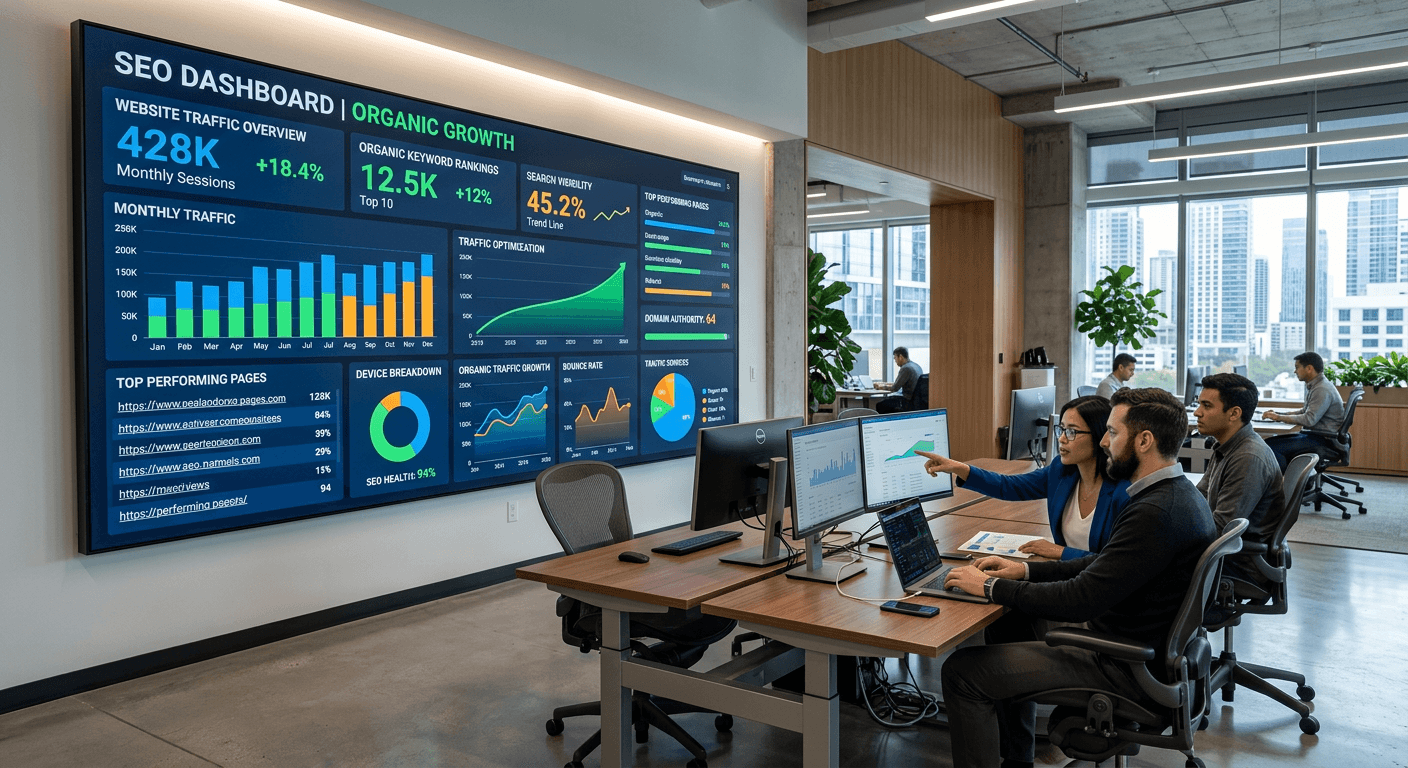
Maximizing website traffic through advanced search engine techniques requires a shift from basic keyword stuffing to a sophisticated understanding of how crawlers interpret intent, site architecture, and user experience. By mastering these methodologies, you ensure that your digital assets remain visible in an increasingly competitive landscape where intent matching is the primary currency of ranking. Implementing these technical improvements often involves consulting resources like the Google Developers Group to understand the evolving landscape of web standards and search algorithms.
Quick Summary
Maximizing website traffic involves optimizing technical infrastructure, content relevance, and user engagement signals to improve visibility in organic search results. This process requires a systematic approach to crawling efficiency, semantic markup, and performance metrics to ensure search engines can effectively index and rank your content for target queries.
- Optimize core web vitals for faster load times and improved ranking.
- Leverage schema markup to provide context for search engine crawlers.
- Conduct rigorous technical audits to eliminate crawl errors and indexing bottlenecks.
- Align content strategy with search intent to capture high-value organic traffic.
Table of Contents
- Maximizing Search Engine Performance
- Leveraging Technical Architecture for Traffic
- Implementing Semantic Data Structures
- Advanced Content Alignment Strategies
- Common Pitfalls and Troubleshooting
- Frequently Asked Questions
- Recommended Reads

Maximizing Search Engine Performance
To drive consistent website traffic, you must first treat your site as a data structure. Search engines do not "read" websites like humans; they parse code to understand relationships between topics and entities. By ensuring your site architecture is flat—meaning most content is reachable within three clicks from the homepage—you distribute authority efficiently across all pages, which is a foundational requirement for any agenzia web focused on growth.
Beyond structure, prioritize crawl budget management. If a search engine wastes time crawling thousands of parameter-driven URLs, duplicate pages, or low-value tags, it will crawl your high-quality content less frequently. Use a robots.txt file to block unnecessary directories and implement canonical tags to signal the master version of your pages to crawlers. This technical housekeeping creates the necessary foundation for advanced indexing.
Leveraging Technical Architecture for Traffic
Technical performance—specifically Core Web Vitals—is now a definitive ranking factor. Slow-loading websites increase bounce rates, which search engines interpret as a signal that the content failed to satisfy the user's search intent. To fix this, minimize JavaScript execution time, leverage modern image formats like WebP, and ensure server-side responses are optimized for speed.
Mobile-first indexing is the current standard, meaning your site's mobile representation is the version indexed by major search engines. Do not assume that because your desktop site ranks well, the mobile experience is sufficient. Audit your site's responsive design to ensure that text size, tap targets, and layout shift (CLS) are optimized for small screens, as these elements directly influence how your site is perceived during the evaluation process.
Implementing Semantic Data Structures
Structured data (Schema.org markup) is the bridge between human-readable content and machine-readable data. By implementing JSON-LD, you provide explicit information about your site's content, such as author details, product prices, reviews, or FAQ associations. This doesn't always guarantee a direct ranking boost, but it does make your site eligible for rich snippets in search results.
Rich snippets significantly increase your click-through rate (CTR). When users see visual enhancements like star ratings or product availability in the SERP, they are statistically more likely to engage with your link over a competitor's. Review the privacy and security implications of the scripts you add, ensuring they follow modern data hygiene practices to keep your site's integrity intact.
Utilizing Schema for Entities
Deeply integrating entity-based SEO involves mapping your business to known entities in knowledge graphs. By clearly defining your company, location, and key services within your schema, you help search engines establish trust and topical authority. This is a subtle but potent way to ensure your brand appears for relevant, non-branded search queries that carry high intent.
Advanced Content Alignment Strategies
Content remains the king of traffic, but only if it is hyper-aligned with user intent. Use search intent analysis to categorize your keywords into informational, navigational, or transactional buckets. If a user is searching for a "how-to" guide, providing a landing page optimized for a hard sell will result in high exit rates and poor rankings.
Iterative content updates are equally vital. Periodically audit your top-performing pages to refresh outdated statistics, add new internal links, and expand upon subtopics that were not covered in the original publication. This practice, often referred to as "content pruning and consolidation," removes thin, low-value pages that drain your site's overall quality score, allowing your stronger pages to shine brighter.
Pro Tip: Focus on topical clusters rather than individual keywords. Group related pages under a central "pillar" page and link them extensively to demonstrate comprehensive expertise on a specific subject, which signals topical authority to search algorithms.
Common Pitfalls and Troubleshooting
One common failure point is ignoring internal link equity. When you create new content, fail to link back to it from your high-authority pages, and you essentially keep it hidden from the crawlers. Always ensure that your most important content is accessible via clear navigation paths.
Another frequent issue is the overuse of redirects. If a page has multiple 301 redirects leading to a final destination, it creates a latency issue and dilutes the link equity being passed. Always point internal links directly to the final, canonical URL to ensure you are passing 100% of the available signal to the destination page.
Frequently Asked Questions
How does mobile-first indexing impact my traffic? If your mobile version is missing content or has broken elements, Google will only index what is visible on the mobile version, significantly impacting your search visibility.
What is the most important technical SEO factor today? Core Web Vitals are currently the most significant technical factor. They represent the objective measurement of user experience, focusing on speed and visual stability.
Does structured data improve my rankings? Structured data improves your eligibility for rich snippets, which increases click-through rates. Higher CTRs lead to more traffic, which in turn can signal to Google that your site is high-quality.
How often should I audit my site's technical health? Perform a comprehensive technical crawl at least once per quarter, or after any significant change to your site architecture or content management system.